Background
Sheep breeds and the farm show
The sheep, dogs and shearing in a New Zealand farm show: how sheep reached the country, which breeds matter, and where sheepdog trials began.
Check dates for the farm show ↗Quick answer
A New Zealand farm show draws on a long farming history. Wikipedia says sheep reached the country between 1773 and 1777, that flocks peaked at 70 million in 1982, and that Romney make up nearly two thirds of today's sheep. Sheepdog trials began here in the 1860s, and the Huntaway is a New Zealand breed. None of this is a programme for a given day.
Why the breeds are on a stage
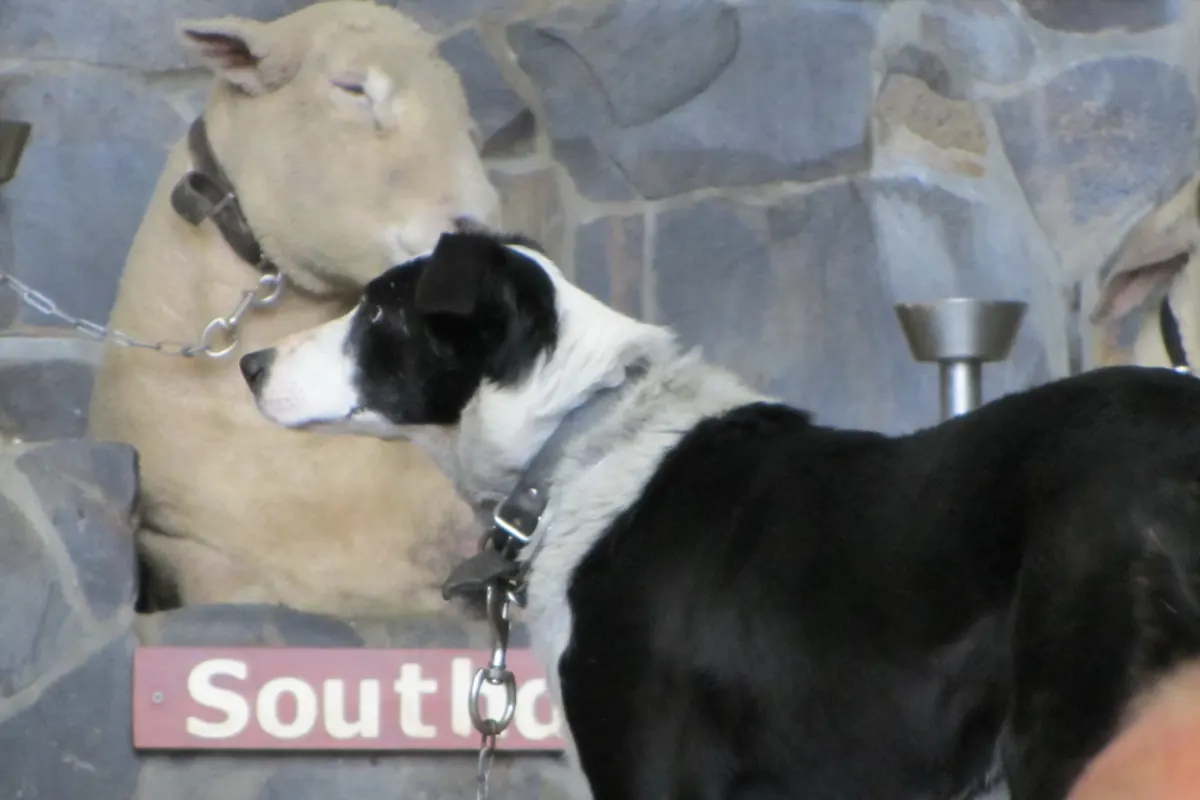
Agrodome says the farm show introduces its sheep breeds one at a time, and that the show remains mostly unchanged since the 1970s. The idea is simple: sheep farming shaped New Zealand, and a stage lets visitors see the different kinds side by side. This guide sets out what Wikipedia records about the breeds and the dogs so the show makes more sense. It is background about New Zealand farming, not a list of what appears on a given day.
How sheep reached New Zealand
Wikipedia says sheep were introduced to New Zealand between 1773 and 1777, with credit to James Cook, and that a missionary later brought flocks to the Bay of Islands. It calls the period from 1856 to 1987 a bonanza for sheep farming. Sheep numbers peaked at 70 million in 1982 and had dropped to about 24.4 million by June 2023, with dairy farming overtaking sheep as the leading agricultural industry in 1987.
Romney: the workhorse
Wikipedia says the Romney breed originated in Kent, England, and that New Zealand Romney account for nearly two thirds of all sheep in the country. It says the breed suited the moist climate of the North Island and that its long, coarse wool goes into tweed, hand knitting, upholstery and carpets. A farm in the Rotorua region, in the North Island, is a natural place to meet Romney sheep.
Merino and the fine-wool story
Wikipedia says the Spanish Merino was the most successful breed raised in New Zealand in the early 19th century and was bred on the South Island for many years. The Merino ewe became the foundation of crossbred stock. Fine Merino wool is a different product from the coarse Romney fleece, and seeing the two breeds side by side on a stage shows the difference faster than any description.
Corriedale, Perendale and Coopworth
Wikipedia lists the Corriedale as a New Zealand breed, created as a cross between Merino and English breeds. It says the Perendale suits all kinds of weather and gives good meat and wool, and that the Coopworth gives good meat and wool value on well-tended farmland. These breeds came from the 20th-century effort to match sheep to New Zealand's pastures, and they appear on many farms.
The dogs: heading and driving
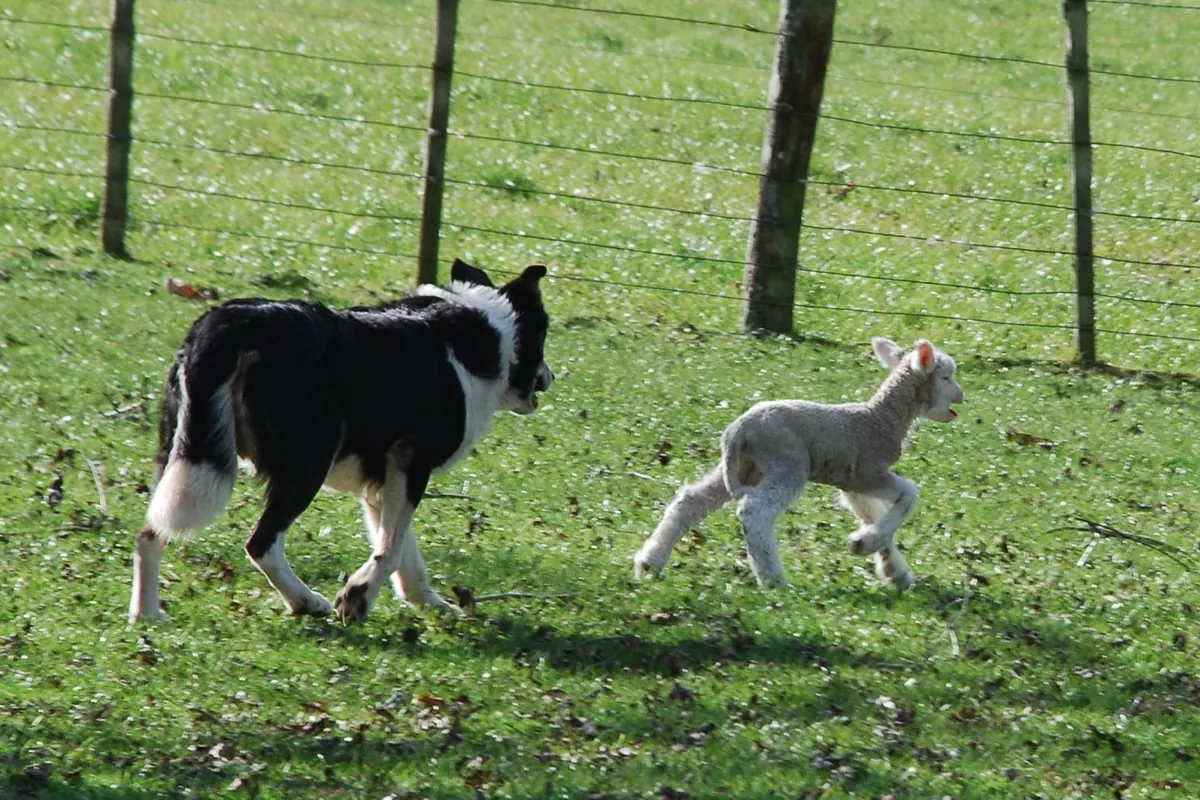
Wikipedia says the Huntaway was developed in New Zealand in response to the high-country farming conditions, using its loud, deep bark to drive sheep, and that it was the first dog breed of New Zealand origin recognised by the New Zealand Kennel Club, in 2013. The New Zealand Heading Dog was developed from border collies. Sheep are guided by a mix of silent stare and noise, which is why a farm show can show different dogs doing different jobs.
Where sheepdog trials began
Wikipedia says the first sheepdog trials were held in Wānaka in 1867, with reports of trials at several places in the following years, and that regular trials followed in Australia and the United Kingdom in the 1870s. A trial tests a dog's herding ability under a judge, with tasks such as guiding sheep through obstacles and into a pen. Agrodome says its short dog-trial demonstration follows the show outdoors.
Shearing as a sport
Wikipedia says the Golden Shears, held each March in Masterton since 1961, is the world's most prestigious sheep shearing event, and that its open final is sometimes called shearing's equivalent of Wimbledon. Agrodome says its founder was a world champion shearer and that the farm was set up in 1971, so a live shearing is part of the farm's own story, not an add-on.
Frequently asked questions
Which sheep breed is most common in New Zealand?
Romney. Wikipedia says New Zealand Romney account for nearly two thirds of all sheep in the country.
How many sheep are there in New Zealand?
About 24.4 million as of June 2023, according to Wikipedia, down from a peak of 70 million in 1982.
Is the Huntaway a New Zealand breed?
Yes. Wikipedia says it was developed in New Zealand and was the first dog breed of New Zealand origin recognised by the New Zealand Kennel Club.
Where did sheepdog trials begin?
In New Zealand, according to Wikipedia: the first trials were held in Wānaka in 1867.
Sources