Compare
Farm show or kiwi hatchery?
A farm show or the kiwi hatchery: which Rotorua animal visit suits your family? Format, length, ages and how to combine them, with sources.
Check dates for the farm show ↗Quick answer
Pick the farm show for a long, lively, hands-on half day with sheep, dogs and a tractor tour. Pick the kiwi hatchery for a shorter, quieter look at one bird and the work done to protect it. Agrodome says the hatchery now stands on its own farm, so the two can share a day, but they are booked separately and the hatchery has an age rule for babies.
The short answer
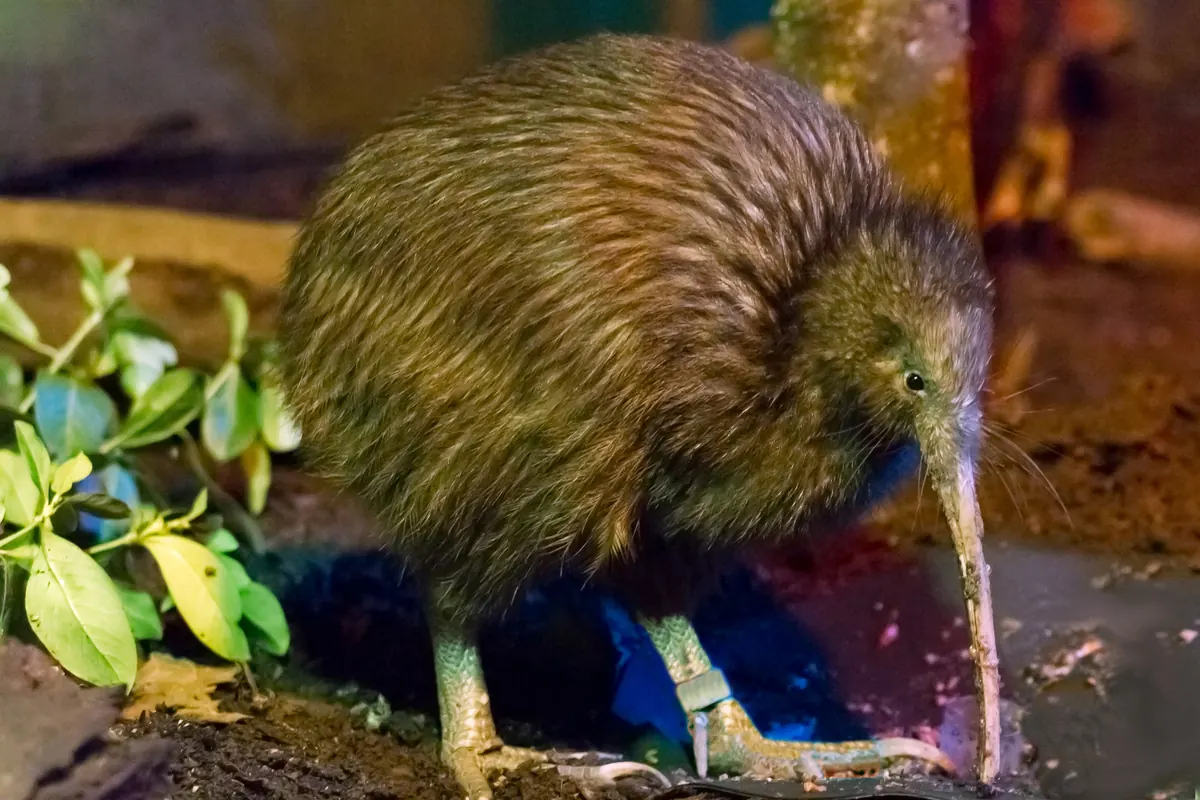
If your children want to feed animals, laugh at a show and ride a tractor, book the farm show. If they would rather see a kiwi up close and hear how chicks are raised, book the hatchery encounter. They are both daytime family visits in the same part of Rotorua, so many families will want both. The difference is length: the booking page lists the farm show at two and a half hours, and the hatchery encounter is listed at about an hour. Neither is a bad choice: both are rated highly on their booking pages, and the decision is about age, energy and time rather than quality.
The same farm, two visits
A fact that changes the planning: Agrodome's frequently asked questions say the National Kiwi Hatchery is on the Agrodome farm, and Wikipedia says the hatchery opened in a new facility at the Agrodome in December 2023, having been at Rainbow Springs before. So the old idea of two separate trips across town no longer holds. Check the meeting point on the hatchery's own booking page, because Agrodome says guests with a hatchery booking check in at its reception office. Agrodome's page for its combination also says the hatchery is reached by a short shuttle ride across the farm, so allow for that between the two.
What the farm show ticket covers
The farm show ticket is a visit in four parts: the show with a cast of farm animals, live shearing and sheepdogs; the Farmyard Nursery; a guided tractor-trailer tour with animal feeding; and tastings of farm honey and kiwifruit. Agrodome says you cannot buy the show and the tour separately, and the booking page lists the whole visit at two and a half hours. Food and drink are not included. The first guide covers the day in detail. The booking page adds that the guide speaks English and that parking on the farm is free.
Read next: Rotorua farm show with kids
What the kiwi hatchery is
Agrodome describes the National Kiwi Hatchery Aotearoa as a place where expert kiwi keepers hatch, raise and prepare kiwi chicks for their return to the wild, and says guests can see resident adult kiwi foraging in a nocturnal house. Wikipedia explains why that matters: kiwi are flightless birds found only in New Zealand, there are five species, and four of them are listed as vulnerable. The booking page lists the encounter at about an hour. Agrodome adds that the hatchery runs national training courses in kiwi husbandry, which tells you it is a working facility and not a display.
Side by side
The table gives the shape of the choice. The farm show is longer and more physical, with feeding, a nursery and a trailer ride, and the booking page lists it for all ages. The hatchery is shorter, and Agrodome's description stresses conservation and learning about the kiwi. Read the hatchery's own booking page for exactly what the encounter involves, since this guide has not seen it. Prices are left out on purpose: they change, and the calendar on each booking page shows the current figure in your currency.
| Question | Farm show | Kiwi hatchery |
|---|---|---|
| Subject | Farm animals and farm life | Kiwi and conservation |
| Length | About 2.5 hours | About an hour |
| Babies | All ages listed | Agrodome: no infants inside |
| Combined | Half-day combo exists | Half-day combo exists |
| Best for | Active families | Curious families |
Under-fives and babies
Agrodome's page for its farm-and-hatchery combination says the hatchery suits ages five and up and that infants are not permitted inside for health and safety reasons. That is the farm's rule for its own combination, and the separate hatchery ticket may state its own age terms, so read them on the booking page before you plan. The farm show ticket, by contrast, is listed for all ages. Families with a baby or toddler should lean towards the farm show. If you are unsure, email the farm before you book, because a ticket for a child who cannot go in is hard to use on the day.
Why a kiwi hatchery exists
Wikipedia describes kiwi as flightless birds found only in New Zealand, with five recognised species, four of them listed as vulnerable and one as near threatened. It says kiwi eggs are among the largest in proportion to body size of any bird, up to about a fifth of the female's weight, and that the bird's mostly nocturnal habits may be a result of predators. Raising chicks in care and then releasing them is one of the ways people try to keep the numbers up. Wikipedia says the greatest threat to kiwi is predation by introduced mammals, which is why chicks are often raised in protected settings.
What reviewers say about each
The booking page for the farm show gives 4.8 from 311 reviews, with 4.9 for the guide and 4.7 for value. The hatchery encounter on this site's card is listed at 4.7 from about 890 reviews, a larger number from a shorter visit. Both scores are strong, so the decision rests on what your family wants to do and how long you have, not on which has the better reputation. Read recent reviews on each page for the current mood. Where one booking page shows a small number of recent reviews, give it less weight than a long run of them.
A wet day
Rotorua weather changes, so it helps to know how each visit copes. The booking page says the farm tour's tractor-trailers run in all weather, with a rain jacket advised on wet days and two to four layers in winter. Agrodome calls itself an all-weather attraction. For the hatchery, the booking page for the hatchery encounter is the place to check what is indoors, since this guide has no description of its layout. Whichever you choose, plan a lunch stop on the farm so a downpour does not decide the afternoon for you.
How the hatchery came to the farm
Wikipedia says the National Kiwi Hatchery, previously at Rainbow Springs, opened in a new facility at the Agrodome in December 2023. Agrodome says the move was to a purpose-built facility on the farm, at a time when the farm was fully owned by Ngāi Tahu. For visitors the result is practical: one address on Western Road, one car park and one café, with a short ride across the farm between the two. If you read older reviews or travel blogs that place the hatchery elsewhere in Rotorua, those describe the earlier site.
Doing both in one day
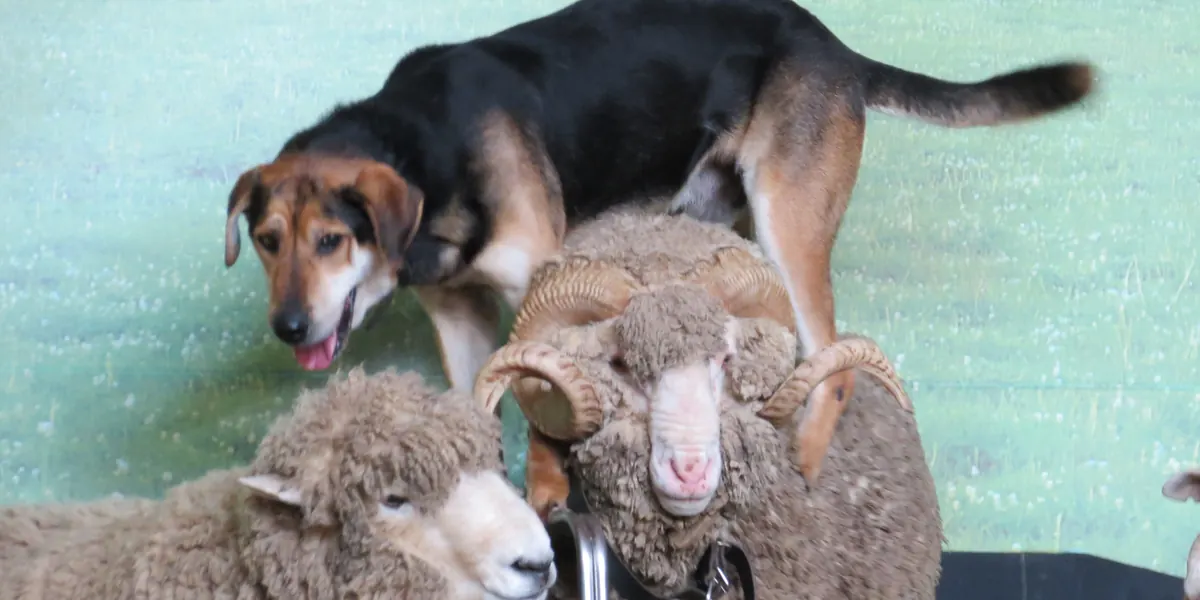
Agrodome sells a half-day combination of the farm and the hatchery and suggests allowing around four hours, with a short shuttle across the farm. If you book the two separately, as the cards on this site do, check both start times on the booking pages and leave a gap for lunch and for moving between the sites. Pair a morning farm visit with an afternoon hatchery slot or the reverse, rather than squeezing them back to back. Agrodome says its combination tours begin in the morning, which is a hint that one visit before lunch and the other after works best.
Which to pick, by family
A rule of thumb helps when time is short. The choice mostly follows your youngest child, your oldest child and how long you want to be out of the car. Use the list below as a starting point, and let the age rules, the weather and the start times on your date overrule it. Nothing here is a ranking: both visits are rated highly on their booking pages.
- Toddler or baby in the group: the farm show
- Children aged five and over who like animals: either, or both
- A teenager who wants action: the farm show, then something else
- Only an hour free: the hatchery encounter
- A wet day with limited stamina: check both pages, then choose
Who each visit suits best
The farm show suits families who like movement and noise, children who want to touch and feed animals, and groups with a mix of ages, since the booking page lists all ages. The hatchery suits families curious about wildlife, children old enough to listen and look, and anyone short of time. If your party includes a baby, plan around Agrodome's age rule for the hatchery and make the farm show the main event. Teenagers are the hardest group to place: some prefer the dogs and the stage, others the quiet of the hatchery.
Who this isn't for
Neither ticket suits a family looking for an evening out, because both are daytime visits. If you want kiwi in the wild, a hatchery will not provide it: Wikipedia describes the kiwi's habits as mostly nocturnal and four of the five species as vulnerable, so seeing one in the open is a matter of luck. And if you dislike animals, farm smells or audience participation, skip the farm show and choose a gentler visit. Visitors who want only a short stop will find the farm show too long, since it takes the best part of a morning or afternoon.
Frequently asked questions
Which is better for a family, the farm show or the kiwi hatchery?
The farm show suits active, mixed-age families; the hatchery suits a shorter, quieter visit about kiwi. The booking page lists the farm show at 2.5 hours and the hatchery encounter at about an hour. Many families can book both on one day.
Are the farm show and the hatchery in the same place?
Agrodome says the National Kiwi Hatchery is on its farm, and Wikipedia says it opened there in December 2023. They are booked separately, so check the meeting point on each booking page.
Can babies go in the hatchery?
Agrodome says infants are not permitted inside the hatchery for health and safety reasons, in the notes for its combination ticket. Check the age terms on the hatchery booking page. The farm show is listed for all ages.
Can I do both in one day?
Yes, with planning. Agrodome sells a half-day combination and suggests around four hours. If you book separately, check both start times and allow time to move between them.
Is the hatchery a way to see kiwi in the wild?
No. It shows chicks being raised and adult kiwi indoors. Wikipedia says kiwi are flightless birds found only in New Zealand, and four of the five species are listed as vulnerable.
Sources